 ...be prepared to take some disinfectants along for the ride.
One thing that is a total geek-out for me is reading about ecology. It's one of the areas I wish I'd taken more coursework on back in college. At the time, it didn't much interest me--studying species interactions was boring, and molecular biology was much more interesting. I've pretty much flipped 180 degrees on that one. (Well, molecular biology isn't boring, but it's moved off its rung as a top interest). My main interest as far as ecology is concerned is microbial ecology--especially of the ecosystem we like to call human beings. I've discussed bacterial ecology a bit previously (see here, here, and here, for instance), and a new study is once again making us reconsider what we know about our own personal microbial flora.
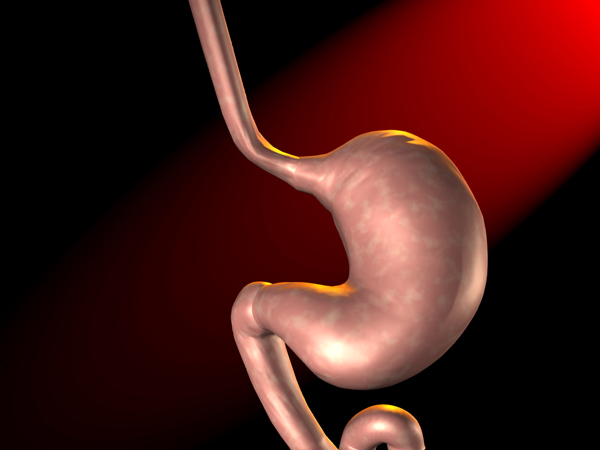
A new study published in PNAS examined microbial diversity in an unusual place--the human stomach. Though it's now accepted that bacteria such as Helicobacter pylori can live in the stomach (and cause ulcers), the image of the stomach is still a pretty sterile place: too hostile to harbor much bacterial diversity.
Well, maybe not.
(Continue reading at Aetiology)
...be prepared to take some disinfectants along for the ride.
One thing that is a total geek-out for me is reading about ecology. It's one of the areas I wish I'd taken more coursework on back in college. At the time, it didn't much interest me--studying species interactions was boring, and molecular biology was much more interesting. I've pretty much flipped 180 degrees on that one. (Well, molecular biology isn't boring, but it's moved off its rung as a top interest). My main interest as far as ecology is concerned is microbial ecology--especially of the ecosystem we like to call human beings. I've discussed bacterial ecology a bit previously (see here, here, and here, for instance), and a new study is once again making us reconsider what we know about our own personal microbial flora.
A new study published in PNAS examined microbial diversity in an unusual place--the human stomach. Though it's now accepted that bacteria such as Helicobacter pylori can live in the stomach (and cause ulcers), the image of the stomach is still a pretty sterile place: too hostile to harbor much bacterial diversity.
Well, maybe not.
(Continue reading at Aetiology)If a way to a man's heart is through his stomach...
...be prepared to take some disinfectants along for the ride.
One thing that is a total geek-out for me is reading about ecology. It's one of the areas I wish I'd taken more coursework on back in college. At the time, it didn't much interest me--studying species interactions was boring, and molecular biology was much more interesting. I've pretty much flipped 180 degrees on that one. (Well, molecular biology isn't boring, but it's moved off its rung as a top interest). My main interest as far as ecology is concerned is microbial ecology--especially of the ecosystem we like to call human beings. I've discussed bacterial ecology a bit previously (see here, here, and here, for instance), and a new study is once again making us reconsider what we know about our own personal microbial flora.
A new study published in PNAS examined microbial diversity in an unusual place--the human stomach. Though it's now accepted that bacteria such as Helicobacter pylori can live in the stomach (and cause ulcers), the image of the stomach is still a pretty sterile place: too hostile to harbor much bacterial diversity.
Well, maybe not.
(Continue reading at Aetiology)
8 Comments
'Rev Dr' Lenny Flank · 17 January 2006
Ewwwwwwwwwwwwww.
(pushes dinner aside)
;)
Lenny's Pizza Guy · 17 January 2006
That's okay.
We get paid upon delivery, not consumption.
'Rev Dr' Lenny Flank · 17 January 2006
LOL ;)
jim · 17 January 2006
Tara,
Thanks!
Has anyone proposed testing some of these strains of bacteria in laboratory environments similar to the stomach?
How about similar tests on critters that eat carrion for a living. It be interesting to learn how/why they're able to ingest much more bacteria and still not get sick.
natural cynic · 17 January 2006
I don't know about the inner workings, but the reduction of skin bacteria is apparently the reason buzzards have bald heads.
Henry J · 17 January 2006
Re #73028-73032
ROFL
Henry
Wesley R. Elsberry · 18 January 2006
keiths · 18 January 2006